


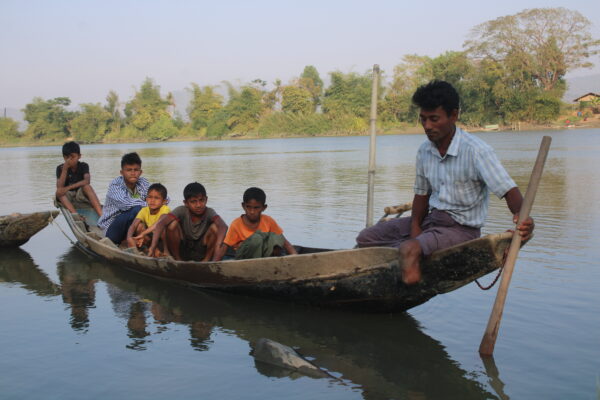
More people are killed or maimed by antipersonnel landmines in Myanmar than in any other country in the world. There were as many as 2,029 casualties in the country in 2025, almost double the number reported the previous year.
The Burmese army has used antipersonnel mines for several decades. A new trend since the February 2021 military coup is that these mines are also used by non-state armed resistance groups, Landmine Monitor noted.
The effects of antipersonnel landmines and unexploded ordnance have been particularly severe for children in Myanmar. According to UNICEF, more than 20 percent of the 1,052 verified civilian casualties from such incidents in 2023 were children. This is a significant increase compared to 2022, when only 390 incidents were recorded.
Between January 29 and March 4, The Diplomat interviewed 16 landmine survivors in Myanmar’s Chin and Rakhine states, who recounted the circumstances in which they stepped on landmines, how they survived, and how their injuries changed their lives forever.
The landmines that cost lives or caused injuries were usually planted by the Myanmar military around their bases and outposts to deter the advance of resistance groups. But regime troops also undermined jungles, rice fields and villages as they retreated from areas to avoid capture or killing.
In 2025, Rakhine State recorded the second highest number of landmine casualties (117) among all states and regions in Myanmar.