


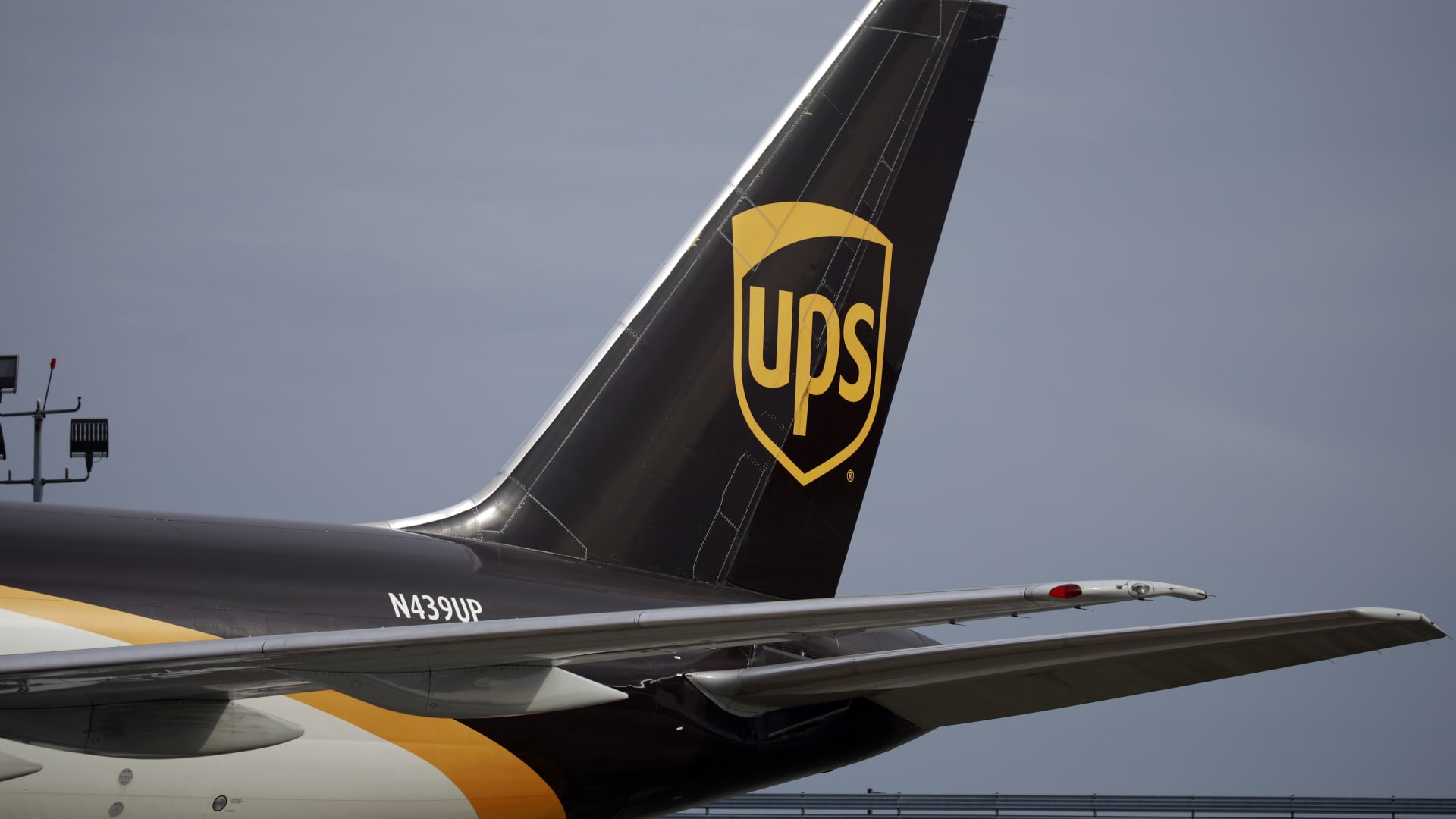
The immobilization of the MD-11 plane on the ground after the fatal crash of a UPS A plane earlier this month could raise air cargo rates during the peak holiday shipping season, with some capacity out of the market, but analysts don’t expect a major impact.
On Nov. 8, the Federal Aviation Administration grounded flights of the MD-11 planes, less than a week after a Honolulu-bound UPS plane crashed moments after takeoff from Muhammad Ali International Airport in Louisville, Ky., killing all three crew members and 11 people on the ground.
Earlier this week, the TAC Index, which tracks air freight rates around the world, said the Baltic Air Freight Index gained more than 4% in the week ended November 17, up 2.4% last week compared to the same period last year.
“While it is normal for rates to rise as the US Thanksgiving holiday and European Christmas approach, sources suggested they received an additional boost after all MD-11 freighters were grounded following a fatal accident in Louisville earlier this month,” he said in a note.
UPS and FedEx each said they were grounding the planes, which represent 9% and 5% of their fleet, respectively, according to a Bank of America memo.
FedEx said the company was working with the FAA to ensure its 28 MD-11 jets met standards.
“We are adapting our integrated air-ground network in the most efficient manner possible to provide exceptional service, which includes utilizing contingency options such as using service recovery spare aircraft in the network, operating ground service where possible, and strategically exploiting limited commercial airline transportation and charter opportunities,” the company said in a statement to CNBC.
UPS said after the accident that it had contingency plans in place to continue providing services.
“We made this decision proactively on the recommendation of the aircraft manufacturer,” UPS said on November 7. “Nothing is more important to us than the safety of our employees and the communities we serve.”
In a statement to CNBC on Friday, UPS said the company has not instituted any additional surcharges for peak season due to the grounding of its 26 MD-11s. Instead, the company said it has secured additional planes for its fleet, similar to the leased planes it buys for peak season, and has consolidated flight routes to maximize air capacity.
“We have reconfigured our ground network, adding additional capacity to move more packages,” a UPS spokesperson told CNBC. “Our contingency plans give us confidence that we will continue to efficiently move volumes and deliver to our customers now and throughout the peak season.”
During the company’s most recent earnings conference call, which took place before the fatal crash, CEO Carol Tomé said early forecasts from its top 100 customers indicated the peak season would see a “significant increase in volumes.”
Yet as UPS began to phase out its work with Amazonpreviously its largest customer, Tomé added that Amazon’s declining volumes mean the total average daily peak season volume in the United States will decline year over year.
Stifel predicted in a note Wednesday that the operational and financial impact of the grounding would be “minimal.”
“Importantly, aircraft will return to flight once approved individually, rather than the entire MD-11 fleet awaiting a single decision, and the FAA may effectively mandate outside parties to conduct the inspections, which have already begun, according to management,” Stifel analysts wrote.
Air cargo volumes in October increased 4% year-over-year, with cargo supply increasing an average of 3% year-over-year over the past four weeks, Bank of America said in a note Monday. Analysts said any potential disruption from the grounding was not immediately clear, but overall they expected a quieter shipping season compared to the past two years.
The National Transportation Safety Board, which is leading the investigation into the UPS crash, said the plane’s left engine separated from the wing during takeoff before the plane crashed into a series of businesses just outside the airport.
In its preliminary report released Thursday, the NTSB said it found evidence of fatigue cracks in the plane, as well as areas of failure due to excessive stress.
Although UPS is headquartered in Atlanta, the Louisville Airport is home to its largest package processing facility in the world.
The crash occurred during the country’s longest government shutdown, which has led to disruptions in air travel due to a lack of air traffic controllers. It also limited some cargo flights. Commercial and dedicated freight companies transport packages and other goods.
During the shutdown, Treasury Secretary Scott Bessent told ABC News that the freight slowdown could lead to shortages during the holidays. The shutdown officially ended last week and air travel disruptions have largely dissipated.
Correction: Key points in this story have been updated to reflect the number of people killed in the UPS cargo plane crash.