



Jacob Van Naarden is busy.
In addition to running Elie LillyIn ‘s oncology business, he is now responsible for finding the drugmaker’s next opportunities as head of business development. And Lilly, now the world’s largest pharmaceutical company, is hungry for deals more than ever.
“The financial strength of the company right now, driven primarily by the weight loss business, is very strong,” Van Naarden said in an interview at the American Society of Clinical Oncology annual meeting. “We really have an almost generational opportunity to redeploy this capital across all of our disease areas, not only to fuel the growth of the business in the decades to come, but also to help many more patients with all kinds of diseases, and so we are executing on that strategy.”
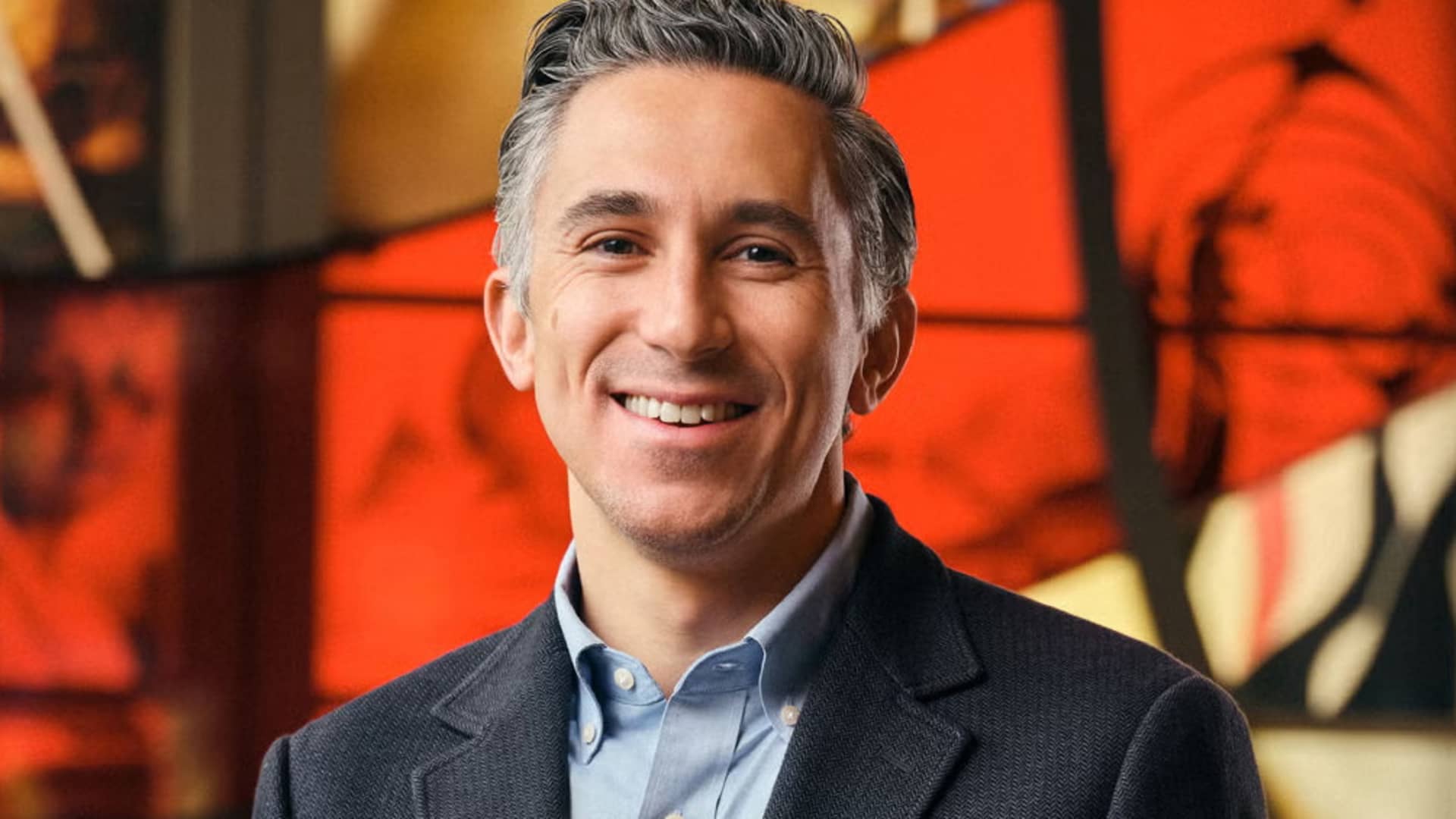
Jacob S. Van Naarden, executive vice president; President of Lilly Oncology and Head of Corporate Business Development, Eli Lilly and Company.
Courtesy: Eli Lilly
Not even halfway through the year, Lilly has already announced it will spend more than $10 billion upfront and potentially up to $25 billion on eight acquisitions. For all of last year, Lilly spent about $4 billion on about 40 deals.
Lilly’s deal spree continued Wednesday with an up to $1.9 billion partnership with RNA editing company Ascidian Therapeutics to develop drugs for kidney disease.
These expenses reflect an intentional shift in how Lilly approaches trading, now that the company is bigger and more valuable than ever. The company’s market capitalization now stands at around $1 trillion, up from $190 billion in 2021, according to LSEG data. Lilly is the first healthcare company to join the trillion-dollar club, dominated by technology companies.
Previously, the drugmaker preferred to bet on early-stage assets, which were inexpensive because they were riskier. Today, it’s using the windfall from its GLP-1 drugs like Mounjaro and Zepbound to pursue experimental drugs that are more likely to work — and which, as a result, cost more.
“These things are drugs,” Van Naarden said in a separate interview in his Stamford, Connecticut, office. “How big will they be? What’s the development plan? When will they be approved? I don’t know all that yet. Obviously we have projections, but you can see enough to say OK, this is real, and we can underwrite by paying a higher price than we pay for a real preclinical thing. So that’s a lot of what we’ve been focused on in addition to managing the high-volume, early-stage strategy.”
Two Mounjaro KwikPen injectors stand in front of the Eli Lilly logo displayed on a screen in this photo illustration in Athens, Greece, March 1, 2026.
Nikos Pekiaridis | Nuphoto | Getty Images
Van Naarden said his boss, Lilly CEO Dave Ricks, approached him last fall about leading business development in addition to his primary job as head of Lilly’s oncology business. The company wanted to hone its trading skills and begin to broaden its reach beyond the initial bets that Lilly liked to focus on.
It began implementing this strategy earlier this year.
Lilly’s planned acquisition of Centessa Pharmaceuticals, announced in March, could reach as much as $7.8 billion if the company hits certain milestones for its experimental drugs for sleep disorders like narcolepsy. That would make it Lilly’s second-largest deal ever behind the company’s $8 billion acquisition of Loxo Oncology in 2019. Van Naarden was chief operating officer at Loxo at the time.
While significant for Lilly, the approximately $8 billion transactions are still modest compared to deals with other major pharmaceutical companies. This raises the question of how big Lilly could get.
Van Naarden does not want to set arbitrary spending limits. He says it’s about how compelling the science is and how big the opportunities are for patients and for Lilly.
Some of the transactions announced this year fall within Lilly’s current specialties in oncology, neuroscience, cardiometabolic health and immunology. Others, like Lilly’s recently announced acquisitions of three vaccine companies, will take the company into new areas.
“We’re looking at all kinds of things that don’t fit neatly into one of those four categories, so don’t be surprised if we have more to come for things that you know might not fit neatly into what we’ve done historically,” Van Naarden said this week at ASCO. “If you see it, it means we’re excited and we think we can make a big impact.”
Is there anything off the table?
“No,” he said, “not really.”