


Drone view of damage to coastal homes after Hurricane Melissa, at Alligator Pond, Jamaica, October 29, 2025.
Maria Alejandra Cardona | Reuters
Hurricane Melissa, the most powerful Atlantic hurricane of the year, made landfall this week as a Category 5 storm in Jamaica. The strength of the storm means it will likely trigger the full repayment of a catastrophe bond designed to provide funds to the island in the event of catastrophic weather events.
The $150 million catastrophe bond, structured by Aonaims to help the island’s population rebuild after natural disasters by providing Jamaica with parametric coverage against losses from named storms. The policy took effect this year and will last until 2027.
The Government of Jamaica is the first government in the Caribbean region, and the first among all small island states, to independently sponsor a catalytic bond, according to Aon. Its likely payout demonstrates the value of a unique type of safety net financed by private markets.
In order to trigger full payment, the storm must meet a particular strength criterion. The storm’s central pressure must be at or below 900 millibars as it makes landfall and passes through the island nation.
A drone view shows an affected area after Hurricane Melissa, at Crane Road, Black River, Jamaica, October 30, 2025.
Maria Alejandra Cardona | Reuters
Early data from the National Hurricane Center shows Hurricane Melissa’s pressure remained below 900 millibars in several areas. These statements are currently being verified by an independent calculation agent.
“While final numbers are still being verified, early signs suggest the transaction is accomplishing what it was designed to do: quickly deliver critical funds to the country after a major disaster,” Chris Lefferdink, Aon’s head of insurance-linked securities for North America, said in a statement.
The review process typically takes 2-3 weeks, and the fastest possible payment to Jamaica could occur in approximately 1 month, according to an Aon spokesperson.
Payments for previous parametric transactions took 3 months or more, but for this event, Aon used an innovative data source to enable faster payments.
The catastrophe bond was placed through the International Bank for Reconstruction and Development’s “risk capital” program, which is used to transfer risks associated with natural disasters to capital markets, allowing the country to quickly access funds after a major event.
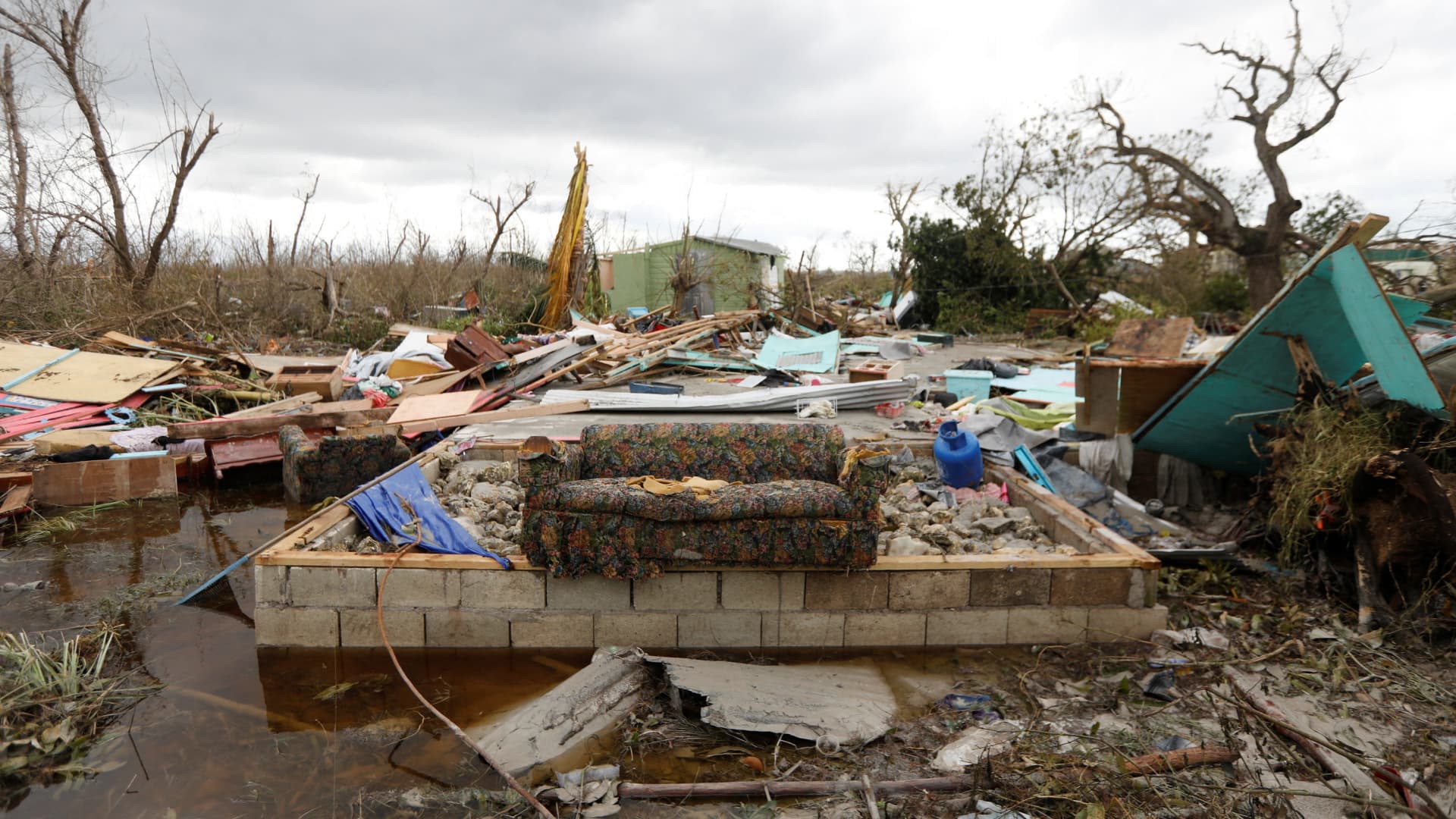
Damaged furniture and debris after Hurricane Melissa made landfall, Black River, Jamaica, October 30, 2025.
Octavio Jones | Reuters
“What you have is a capital provider putting funds into the pool, an insurer putting the coupon for those funds into the pool. [and] if the storm meets those criteria, they get the money a lot quicker,” Aon CFO Edmund Reese told CNBC’s Contessa Brewer in an interview.
Catastrophe bonds and insurance-linked securities were created in the mid-1990s, following the destruction of Hurricane Andrew. They have since grown in popularity, with the catastrophe bond market growing by more than 50% since the end of 2022 to nearly $55 billion.
“Public-private partnerships like Jamaica’s continue to highlight how parametric insurance can provide rapid and transparent relief in the wake of severe storms,” Lefferdink said.
Jamaica narrowly missed qualifying to receive payment from a separate catalytic bond when Hurricane Beryl hit the island in 2024, causing $995 million in damage to homes, crops and infrastructure, according to the National Hurricane Center.