


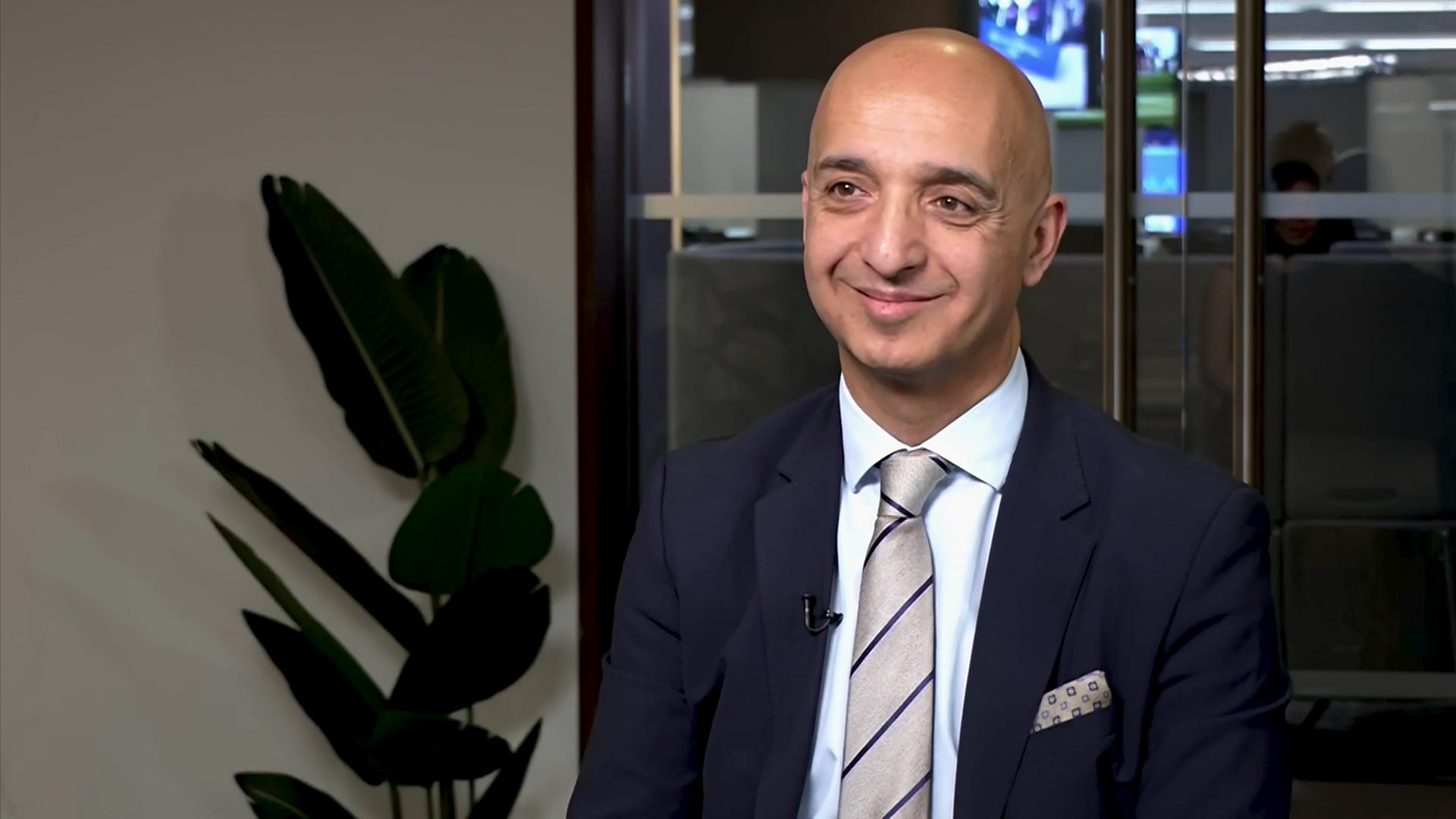

Novo Nordisk CEO Mike Doustdar said Wednesday the company aims to attract about 15 million new patients, at least initially, when Medicare begins covering obesity treatments for the first time later this year.
About 67 million Americans are covered by Medicare, but “when you look specifically at our products and the target group, I think about 15 million people would be a good number to target,” he told CNBC in an interview.
Medicare is expected to begin covering obesity drugs for the first time later this year under historic “most favored nation” drug pricing deals reached by Novo and its main rival, Elie Lillyhit with President Donald Trump in November.
Health experts say the long-awaited coverage could expand the market for the drugs and attract more private insurers to cover them. Some experts estimate that 20 to 30 million Medicare patients suffer from obesity and related conditions.
Doustdar said Medicare coverage, along with the launch of Novo’s new obesity pill and other factors, should help the company gradually increase prescription volumes and offset lower prices in the United States following the Trump deal.
But he said he doesn’t expect Medicare access to obesity treatments to open up overnight.
“Now, it would be great if we could find a way to get access very, very quickly. But I think that would be a little naive,” Doustdar said, pointing to the slow adoption seen among eligible patients with commercial insurance.
This is a slightly more conservative tone on the initial impact of Medicare coverage compared to Lilly, which cited such coverage as a key part of its guidance this year. Last week, Lilly said it expects Medicare coverage to come online by July.
Furthermore, Doustdar said that Novo was in full negotiation with the government on “the exact month and week of the opening”.
Closing the market share gap
Novo is under pressure to reclaim market share in the booming GLP-1 space from Lilly and cheaper compound copiers. Last week, Lilly said its share of the U.S. market for obesity and diabetes drugs rose to 60.5% in the fourth quarter, while Novo’s was 39.1%.
Novo also highlighted a gap in “share of preference” for its Wegovy weight loss treatment compared to competing shots from Lilly. In the United States, Novo estimates that between 7 and 8 out of 10 patients go to Lilly.
When asked how Novo plans to close this gap, Doustdar said one way to do so is to “do better on the pill.” The company’s Wegovy obesity pill has a head start on Lilly’s next oral drug, orforglipron, which is expected to gain approval from the Food and Drug Administration in the second quarter.
Mike Doustdar, left, CEO of Novo Nordisk, and David Ricks, CEO of Eli Lilly, listen as President Donald Trump speaks in the Oval Office during an event on weight-loss drugs, Nov. 6, 2025.
Andrew Caballero-Reynolds | Afp | Getty Images
Doustdar said Novo’s pill is slightly more effective than Lilly’s, based on separate clinical trials, showing 16.6 percent weight loss, compared to 12.4 percent with Lilly’s oral drug.
“If you use those two numbers, you basically get a 40 percent difference between the effectiveness of these pills,” he said. “I think that’s going to be one of the biggest selling points of the pill.”
But Doustdar also pointed to the upcoming approval and launch of a higher dose — 7.2 milligrams — of Wegovy, which could help gain market share from Lilly’s obesity treatment, Zepbound.
This higher dose helps patients lose about 21% of their weight, which is “very comparable” to the highest dose of Zepbound, he said. Zepbound’s superior effectiveness was a key factor in causing more patients and prescribers to switch from Wegovy, which showed about 15% weight loss on average in clinical trials.
“When this hits the market, my thought, my wish, my hope is that people will realize, OK, we now have two products with similar effectiveness,” he said.