


Key Points
- JLL has a significant presence in the Middle East, managing and leasing properties in Dubai and Abu Dhabi in the United Arab Emirates and Riyadh in Saudi Arabia.
- CEO Christian Ulbrich said the business impacts of the Iran war depended on the duration of the conflict.
- “It’s a tragedy in that the region was on a very strong growth trajectory, and that is, at least for the moment, interrupted,” Ulbrich said.
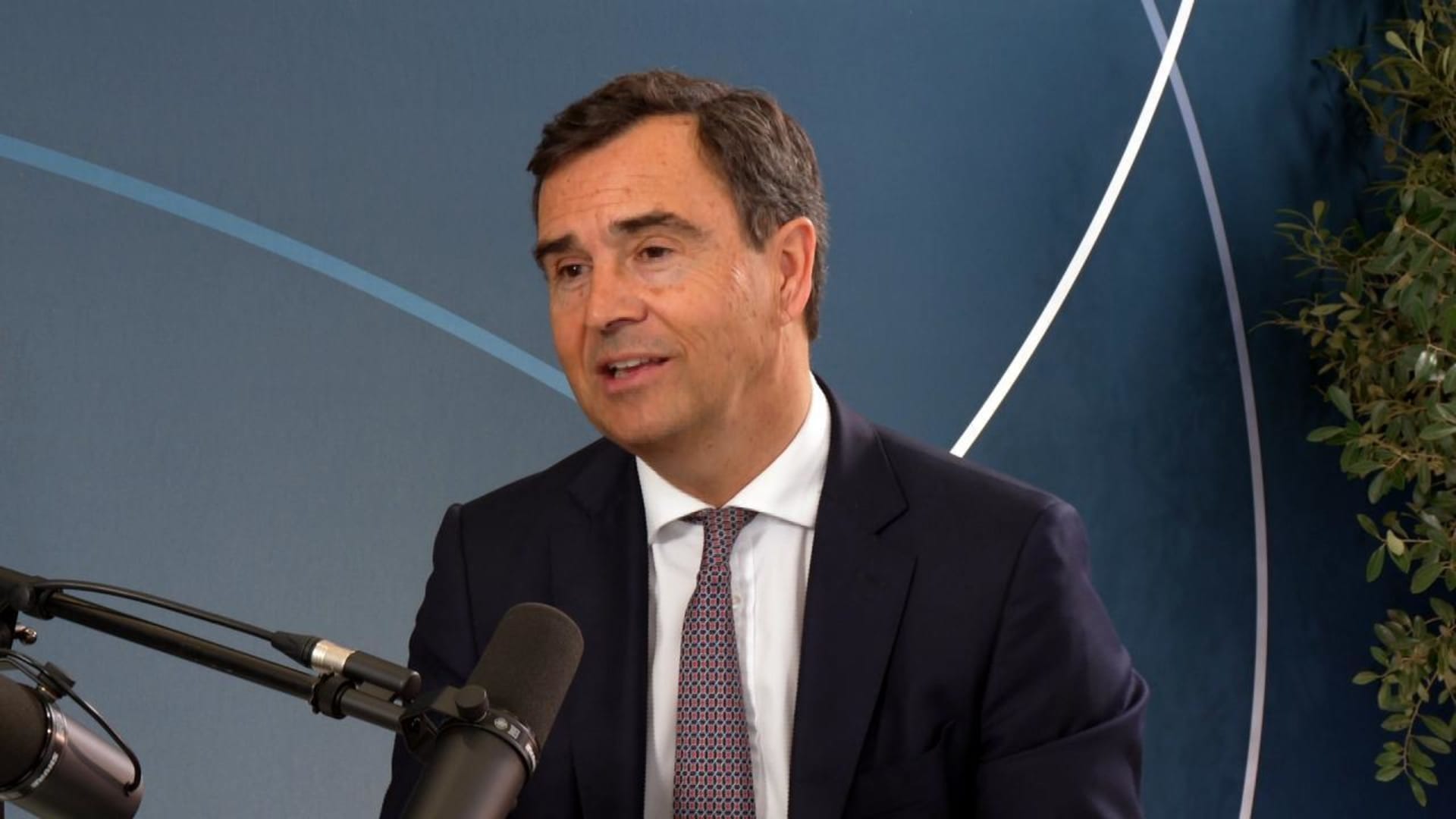
A version of this article first appeared in the CNBC Property Play newsletter with Diana Olick. Property Play covers new and evolving opportunities for the real estate investor, from individuals to venture capitalists, private equity funds, family offices, institutional investors and large public companies. Sign up to receive future editions, straight to your inbox. In the early weeks of the war with Iran, it was expected that the impact on the global economy would be short-lived, but as the war drags on, this is no longer the case. Two weeks ago, Christian Ulbrich, CEO of JLL, said he was not “overly concerned” about interest rates because he believed the end of the war would be near. “If that’s not the case,” he told the Property Play podcast, “we have a different situation.” JLL has a significant presence in the Middle East, managing and leasing properties in Dubai and Abu Dhabi in the United Arab Emirates and Riyadh in Saudi Arabia. It also provides project and investment management for large-scale infrastructure and investment projects. Ulbrich said his primary concern was for his employees in the area and that he was in close contact with local officials to monitor their safety. The commercial impacts, he explained, depend on the duration of the conflict. “It’s a tragedy in that the region was on a very strong growth trajectory, and that is, at least for the moment, interrupted,” Ulbrich said. Residential real estate transactions in the UAE declined by 38% in the second week of March compared to the same period in 2025, and the value of transactions declined by 42%, according to Goldman Sachs analysts in a recent report. And this is not just about the Middle East. “We came into this conflict with a very good outlook for 2026. The economy was doing very well globally and particularly well here in the United States,” Ulbrich said. “Inflation was falling, still a little persistent, but it was falling directly in the United States. [and] Residential buildings as well as hotels have been struck by Iranian drones in Dubai, an area that has arguably seen unprecedented urban growth over the past decade. “What worries me most is literally the scale of conflict and disruption in the world,” Ulbrich said. “These existing conflicts are not resolved. We are adding new ones, and so the uncertainty is not great for the economy. As you know, the economy has a lot to do with sentiment, and we were just dealing with the existing challenges in the world, and we got off to a very good start, and now we have a new conflict, which is significant, and so this now adds additional uncertainty, and that is not good for the economy.